


Oranges Navelina
Navelina Orange
GENERAL DESCRIPTION:
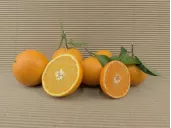
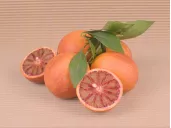
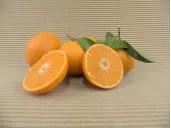
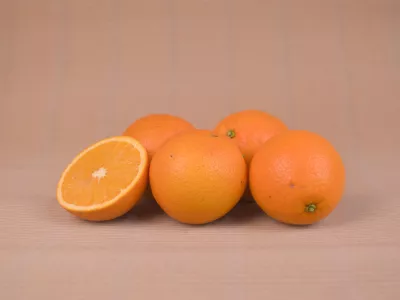
It is the earliest orange of the Navel class, more round than flat, large in size, and sometimes with a very noticeable navel. Its skin is slightly rough, of medium thickness, and its color can vary between a yellowish orange and an intense bright orange. It has very juicy pulp, seedless, excellent flavor, and very sweet, suitable for both juice and table orange. Its harvesting period is between November and February.
CALIBER:
The average caliber of this variety is large, with the majority of pieces measuring above 80 mm. The minimum commercial caliber in Naranjas de Cullera for this variety is 67 mm.
DURABILITY:
It can be kept in good condition for up to 30 days after harvesting (some pieces even longer), always following our instructions for preservation: immediately remove them from the box, spread them on a wide surface, with temperature and humidity not extreme, without direct sunlight or heat sources, and discard any pieces that may spoil. This is a general rule, considering that they are perishable and without post-harvest treatments, it is also possible that some pieces may spoil before 30 days.
POTENTIAL DRAWBACKS:
It may have aesthetic defects that do not affect its quality (see our blog for more information). In advanced stages of ripening, it can become soft and may change in flavor. Like all fresh oranges without post-harvest treatments, they do not peel well by hand.
