Select shipping country

In order to provide you with the final prices of the products (including taxes and transport costs), we need you to select the country of destination from the following list of countries.

On 1 July 2021 the One-Stop Shop (OSS) directive for e-commerce came into force. This will require us to apply the V.A.T. rate corresponding to the destination country of the shipment.

Buy Sanguinelli oranges

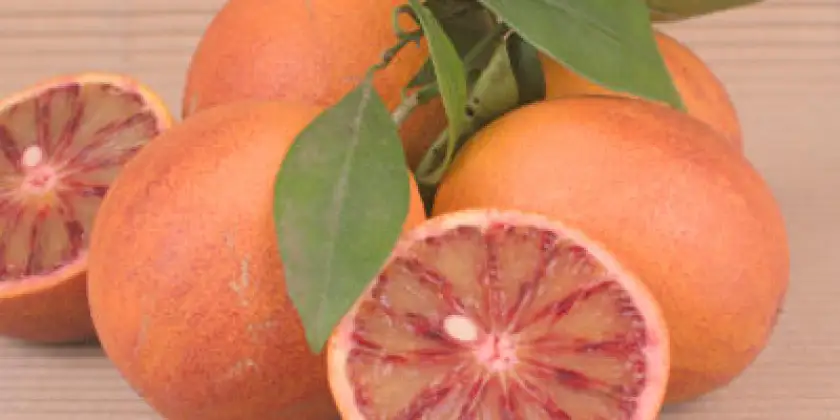
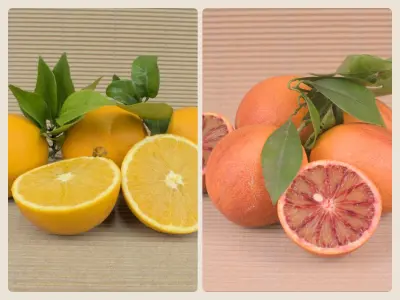
The red-fleshed orange. A fruit in its own right with a very short season, between February and March, served on its own or half-and-half with oranges in a mixed box.

Blood oranges are back in February, depending on ripeness. Want us to let you know?

Sanguinelli Oranges Box 10 kg
10.0 kg

Sanguinelli Oranges Box 10 kg

Sanguinelli
Back in February
48.50 € 4.85 €/kg VAT and shipping to Netherlands included
Notify me · Sanguinelli Oranges Box 10 kg
Sanguinelli Oranges Box 15 kg
15.0 kg

Sanguinelli Oranges Box 15 kg

Sanguinelli
Back in February
55.50 € 3.70 €/kg VAT and shipping to Netherlands included
Notify me · Sanguinelli Oranges Box 15 kg
Sanguinelli Oranges Box 20 kg
20.0 kg

Sanguinelli Oranges Box 20 kg

Sanguinelli
Back in February
63.00 € 3.15 €/kg VAT and shipping to Netherlands included
Notify me · Sanguinelli Oranges Box 20 kg
Mixed Box 20 kg (10 kg oranges + 10 kg Sanguinelli)
20.0 kg

Mixed Box 20 kg (10 kg oranges + 10 kg Sanguinelli)

Sanguinelli
Back in February
62.00 € 3.10 €/kg VAT and shipping to Netherlands included
Notify me · Mixed Box 20 kg (10 kg oranges + 10 kg Sanguinelli)

Our blood oranges

The Sanguinelli is the blood orange of Valencia, Spain: it was born in 1929 in Almenara, in Castellón, and its colour comes from the cold nights of February. We grow it in Cullera and serve it direct from the grower, picked on the morning of dispatch and with no treatment of any kind after harvest.

It is a fruit with a very short season, from mid-February to mid-March. It gives plenty of ruby-coloured juice, aromatic and with a sweet-and-sour edge; in segments it is a little smaller and sharper than a Navelina. If it is not available, sign up for the alert and we will write to you when we start.

Boxes of 10, 15 and 20 kg with VAT and shipping included, and a mixed box half-and-half with oranges so you can try both.

Varieties and season

Each box carries the variety that is at its best that day. Here are all the ones that pass through our boxes over the year, with their harvest time and what to expect from each.

  • Conventional season
  • Varieties
  • Today (2 nov)

We usually start harvesting in February, depending on ripeness.

Blood oranges 19 feb → 15 mar
Sanguinelli 19 feb → 15 mar

Approximate dates: they shift from year to year with the weather. We start each variety when flavour, acidity and juice convince us, and we pull it when they no longer do. Season calendar

  • Blood oranges Sanguinelli Next to arrive

    Sanguinelli

    Harvest approx. 19 feb → 15 mar

    A blood orange born in Almenara. Plenty of ruby-coloured juice, intense aroma and a sweet-and-sour taste. The cold February nights are what give it its colour.

    • Juice % 43–47 %
    • 100–130 g
    Full profile of Sanguinelli

    Variety known as Sanguinelli, spontaneous mutation of the Doble Fina variety detected in 1929 in an orchard in Almenara, in the province of Castellón, Comunitat Valenciana. It has Doble Fina (“blood group”) as its parent. No reliable official synonyms are known apart from the variation in spelling (“Sanguinello/Sanguinelli”) in some commercial contexts.

    Characteristics

    Medium-vigor tree, stunted habit, thornless; dense foliage of medium to small size. The fruit is medium-small (100-130 g), ellipsoidal in shape with diameter/height ratio ≈ 0.92; diameter between 56-62 mm; thin rind (3.6-4.7 mm), shiny, orange in color with reddish patches covering at least half of the surface; pulp of reddish-purple color distributed in the radial segments and on the periphery of the segments; 2-4 seeds; abundant juice (≈ 43-47 % of the fruit), aromatic, dark red in color; very low limonin content; pleasant sweet-and-sour flavor.

    Harvest time

    In the Comunitat Valenciana, optimal harvesting begins in mid-January and extends until the end of March. It can remain on the tree somewhat longer if precautions are taken regarding fruit drop, but if left too long it loses commercial quality in color and firmness.

    Culinary uses

    Very suitable for fresh consumption due to its interior color and aromatic flavor. Excellent for high-quality juice because of its high juice content, balanced flavor, and low bitterness. Also valued in the industry for jams and preserves due to its intense reddish color and citrus aroma content; its zest adds herbal spices that pair well in desserts and Mediterranean sauces.

    Agronomic notes

    Medium-high productivity, with some tendency toward alternate bearing. Moderate sensitivity to extreme cold on the tree (especially frosts), although cool nights intensify pigmentation. Good peduncle attachment is required to avoid fruit drop if the harvest is to be extended. Plant pattern similar to that of Doble Fina; good postharvest and transport performance. Commercial limitations: somewhat smaller size than other varieties, variable external color depending on climate, need for careful handling to ensure uniform coloration and quality.
Conventionally grown, nothing after harvest

This fruit comes from conventionally farmed groves: over the year they may receive treatments, always with EU-authorised products and under the EUREP standard. What they never receive is anything at all once the fruit is cut from the tree.

  • After harvest, nothing: no wax, no fungicides, no preservatives. We clean it with a cloth or brush and into the box it goes.

  • Going to use the peel? Wash it well under running water first, as with any fruit.

  • Part of the fruit we serve comes from groves that have had no treatment at all.

  • We do not grade it or split it into "juicing" and "eating": big and small, all have the same quality.

What treatments citrus fruits receive

From the tree to your door

We are growers, not middlemen. This is what happens between pressing "buy" and opening the box.

  1. You choose the box and the shipping day

    Boxes of 10, 15 and 20 kg. When you order you see the next planned shipping day and can switch it for another on the calendar.

  2. We pick it that same morning

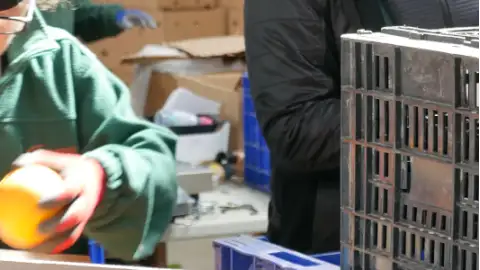
    We cut the fruit from the tree on the day it leaves for your home, from the grove that is at its best. Nothing goes through cold rooms or waits in a warehouse.

  3. A cloth or brush, and into the box

    No wax, fungicides or preservatives. No grading either: big and small go in together. Recyclable cardboard box.

  4. At your door in 2-4 working days

    The courier delivers it to you in Netherlands. The price you see already includes VAT and shipping: no surprises at checkout.

What the boxes look like

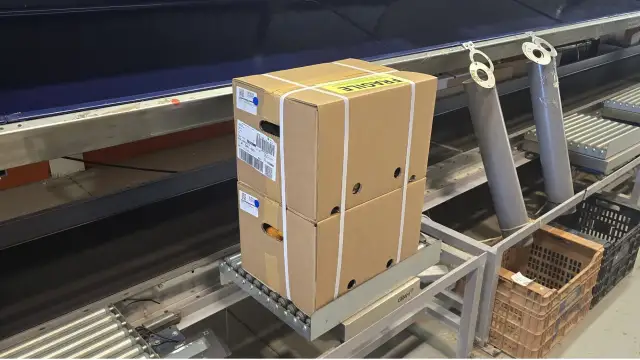
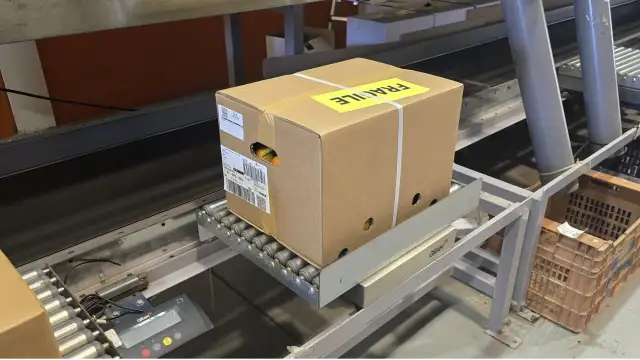
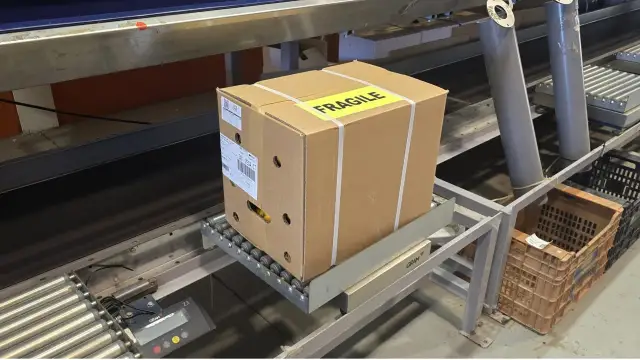
The boxes on this page, just as they leave the warehouse.

  • 10 kg
    10 kg
  • 15 kg
    15 kg
  • 20 kg · 2 parcels
    20 kg · 2 parcels

Shipping conditions and calendar

Frequently asked questions

What is the Sanguinelli orange?

A red-fleshed orange born in 1929 in Almenara, in Castellón, Spain, from the Doble Fina. The colour comes from pigments that form during the cold nights of February: that is why it is only around for a few weeks.

When do you have it?

Between February and March, little more than a month. If it is not available, sign up for the alert and we will write to you when we start picking.

For juice or for eating?

Both. It gives plenty of ruby-coloured juice, aromatic and with a sweet-and-sour edge; in segments it is smaller and a little sharper than a Navelina. You can also order it half-and-half with oranges in a mixed box.

What treatments does this fruit receive?

Over the year, those of conventional farming, always with EU-authorised products and under the EUREP standard; some of the groves receive none. After harvest, none: no wax, no fungicides, no preservatives.

How long does the fruit keep and where do I store it?

Take it out of the box as soon as it arrives and spread it out in a cool, dry place out of direct sunlight. Oranges usually keep for up to a month; mandarins, about three weeks. They last longer in the fridge, though it is not necessary. As the fruit carries no wax and has not been through cold storage, check it now and then and set aside any piece that spoils.

Why do some pieces arrive with marks or a bit of green?

Because they come straight from the tree, with no washing and no colouring. A mark on the skin or a greenish tinge at the start of the season does not change the flavour or the quality. If a piece arrives damaged in transit, write to us with a photo and we will put it right.

When will my order arrive?

We ship it on the shipping day you choose when you order and the courier delivers it in 2-4 working days, depending on where you live. The shipping conditions include the calendar with the shipping days and the most likely delivery day for each one.

Which countries do you ship to?

Germany, Austria, France, Spain, Belgium, the Netherlands and Luxembourg, with shipping included in the price. Delivery country and language are chosen separately in the header: you can browse in any language and ship to any of those countries. When you choose the country, prices adjust to include taxes and shipping to it.

Why does the price change by country?

The fruit costs the same for everyone. What changes is each country's VAT and, above all, the shipping: every country has its own carriers and rates, and where we ship the most we get better deals and delivery costs less. Everything is included in the price you see, with no surprises at checkout.

Shall we send it from the tree to your door?

Choose the box above and the shipping day when you order. If it is out of season right now, we will let you know with a single message when we start picking.