Select shipping country

In order to provide you with the final prices of the products (including taxes and transport costs), we need you to select the country of destination from the following list of countries.

On 1 July 2021 the One-Stop Shop (OSS) directive for e-commerce came into force. This will require us to apply the V.A.T. rate corresponding to the destination country of the shipment.

Buy avocados

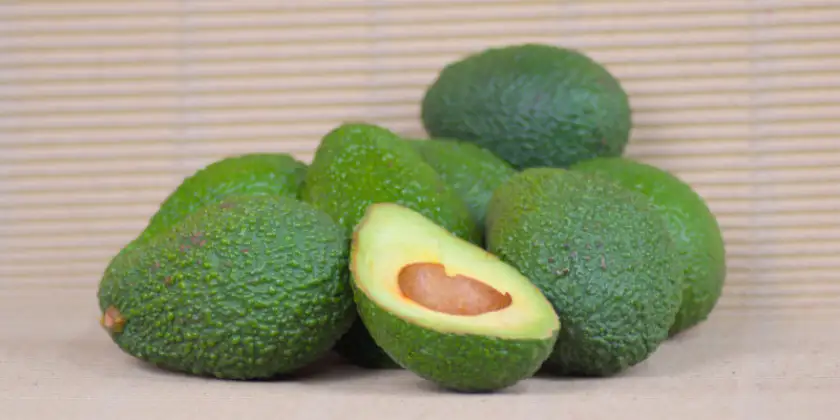
Avocados from our own trees, cut at the right point and ripened at home, with no cold storage. First the Hass variety and, at the end of the season, Lamb Hass.

Avocados are back in February, depending on ripeness. Want us to let you know?

Avocados Box 4.5 kg
4.5 kg

Avocados Box 4.5 kg

Hass
Back in February
57.00 € 12.67 €/kg VAT and shipping to Netherlands included
Notify me · Avocados Box 4.5 kg
Avocados Box 9 kg
9.0 kg

Avocados Box 9 kg

Hass
Back in February
76.50 € 8.50 €/kg VAT and shipping to Netherlands included
Notify me · Avocados Box 9 kg

Our avocados

Avocados from Valencia, Spain, from our own trees in Cullera, cut at the right point and ripened at your home, with no cold storage. From February to May, first the Hass variety and, at the end of the season, Lamb Hass, bigger and later.

They arrive hard, as they should travel, and in one or two weeks they are ready: when the skin darkens and gives to gentle pressure. If you are in a hurry, put an apple next to them. Creamy, fibre-free flesh with a nutty flavour, the same in both varieties.

Boxes of 4.5 and 9 kg with VAT and shipping included. You can also add them to a mixed box with oranges.

Varieties and season

Each box carries the variety that is at its best that day. Here are all the ones that pass through our boxes over the year, with their harvest time and what to expect from each.

  • Conventional season
  • Varieties
  • Today (2 nov)

We usually start harvesting in February, depending on ripeness.

Avocados 6 feb → 9 may
Hass 6 feb → 24 apr
Lamb Hass 31 mar → 9 may

Approximate dates: they shift from year to year with the weather. We start each variety when flavour, acidity and juice convince us, and we pull it when they no longer do. Season calendar

  • Avocados Hass Next to arrive

    Hass

    Harvest approx. 6 feb → 24 apr

    The rough-skinned avocado that darkens as it ripens. Creamy, fibre-free flesh with nutty notes. We cut it at the right point and it finishes ripening at your home.

    Sweetness
    Acidity
    Juiciness
    • 180–300 g
    • Shelf life 14 days
    Full profile of Hass

    The Hass variety was discovered by horticulturist Rudolph Hass in La Habra Heights, California, in 1926. It was patented in the United States in 1935. Its origin focuses on a hybrid mostly between Guatemalan and Mexican races, with Guatemalan traits predominating. It does not come from a specific known mutation, but from a chance seed selection that resulted in a tree with fruits with rough skin, superior flavor and yield compared to the rest. Since its obtaining it has spread worldwide as the leading commercial variety.

    Characteristics

    The Hass tree reaches medium to vigorous size, with a semi-erect canopy and open branches. The leaves are petiolate, medium-sized, green and glossy. Flowering is type A. The fruit has a pear shape, medium size, approximately 140 to 400 grams, with thick, rough, green skin that darkens to black when ripe. The seed is medium to small in size, occupying around 15-16 % of the fruit weight. Creamy pulp, greenish-yellow in color near the pit, with a fiberless texture and intense flavor, with nutty notes. The lipid content ranges between 17-20 % under optimal conditions and the minimum commercial dry matter is established at around 21-23 %. Brix degrees at ripening usually range between 5 and 8 depending on origin and storage.

    Harvest season

    In the Comunitat Valenciana the Hass harvest begins approximately in December-January and can extend until March, although there are early or late occurrences depending on the specific area. The ripe fruit can remain on the tree for several days or even weeks without losing quality considerably, which allows harvesting to be staggered. The optimal window for fresh marketing runs from December-January to March, which is when the fruits meet good dry matter, color and texture ideal for the market.

    Culinary uses

    Hass is mainly suitable for fresh consumption due to its creamy texture and intense flavor, ideal for guacamole, toast, salads, dips and cold sauces. It is also eaten simply cut with salt or combined with citrus or tomato, very present in Mediterranean cuisine. Its pulp is also suitable for light processed products such as creams or purées, although it is not typically used for juice. Due to its flavor and texture, it is the preferred variety for applications where spreadability and fatty presence are sought.

    Agronomic notes

    Hass has good productivity but often shows alternation if not managed well. It is sensitive to extreme cold below 4-5 °C and to fungal diseases such as soil fungi or Botryosphaeriaceae in branches. In the Comunitat Valenciana the seedlings are established with moderate planting frames (for example 6×5 m) to allow ventilation and pruning. In postharvest it requires careful handling, cold chain, harvesting when it has the minimum dry matter content and use of official calibers. The main commercial limitations include fruit size comparatively smaller than some varieties, the need for a high percentage of dry matter, sensitivity to irrigation management and water stress, and increasing future pressure from competitors in other countries to maintain prices.

  • Avocados Lamb Hass

    Lamb Hass

    Harvest approx. 31 mar → 9 may

    Bigger than Hass and later: it closes the avocado season in spring. The same nutty flavour and a large stone. To speed up ripening, keep an apple next to it.

    Full profile of Lamb Hass
    Descripción general

    El aguacate Lamb Hass es una fruta de gran tamaño con peso medio de entre 200 a 350 gramos. Cuando la fruta está madura la piel es rugosa, de color púrpura oscuro casi negro y cede ante una presión suave. La pulpa es verde con tonos blanquecinos o amarillentos, con sabor similar a la nuez y con una única semilla redondeada y grande en el centro. Esta variedad es de mayor tamaño que el aguacate Hass y de recoleccion más tardia, entre marzo y julio.

    Calibre

    El calibre medio de esta variedad suele ser grande, la gran mayoria de piezas están por encima de 70 mm en su parte más ancha.

    Durabilidad

    Se recolecta cuando adquiere un tamaño adecuado y madura 10 o 12 días después de recolectado. Si se quiere acelerar la maduración de algunos de ellos, un buen truco es poner una manzana al lado.
    Una vez maduro se conserva mejor en el frigorífico, entonces, allí puede durar en buenas condiciones hasta una semana aproximadamente.

    Inconvenientes

    Una vez maduro no dura más de una semana en el frigorífico.
Conventionally grown, nothing after harvest

This fruit comes from conventionally farmed groves: over the year they may receive treatments, always with EU-authorised products and under the EUREP standard. What they never receive is anything at all once the fruit is cut from the tree.

  • After harvest, nothing: no wax, no fungicides, no preservatives. We clean it with a cloth or brush and into the box it goes.

  • Going to use the peel? Wash it well under running water first, as with any fruit.

  • Part of the fruit we serve comes from groves that have had no treatment at all.

  • We do not grade it or split it into "juicing" and "eating": big and small, all have the same quality.

What treatments citrus fruits receive

From the tree to your door

We are growers, not middlemen. This is what happens between pressing "buy" and opening the box.

  1. You choose the box and the shipping day

    Boxes of 4.5 and 9 kg. When you order you see the next planned shipping day and can switch it for another on the calendar.

  2. We pick it that same morning

    We cut the fruit from the tree on the day it leaves for your home, from the grove that is at its best. Nothing goes through cold rooms or waits in a warehouse.

  3. A cloth or brush, and into the box

    No wax, fungicides or preservatives. No grading either: big and small go in together. Recyclable cardboard box.

  4. At your door in 2-4 working days

    The courier delivers it to you in Netherlands. The price you see already includes VAT and shipping: no surprises at checkout.

What the boxes look like

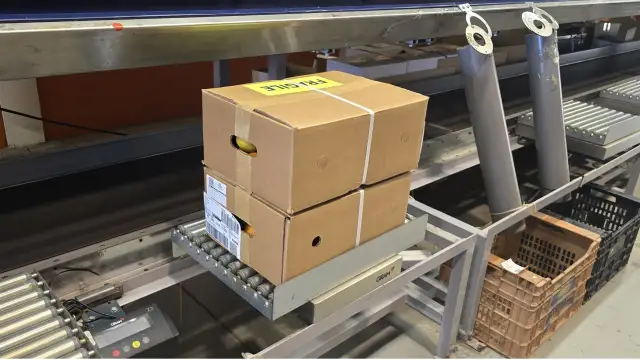
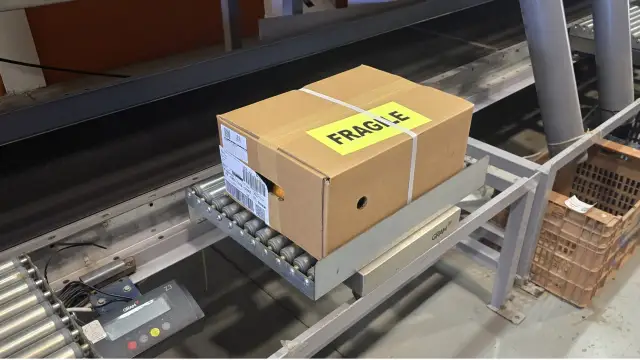
The boxes on this page, just as they leave the warehouse.

  • 5 kg
    5 kg
  • 10 kg · 2 parcels
    10 kg · 2 parcels

Shipping conditions and calendar

Frequently asked questions

Do they arrive ripe?

No: we pick them at the right point for cutting and they ripen at your home in one or two weeks, with no cold storage. To speed it up, put an apple next to them. They are ready when they give to gentle pressure.

Which variety will I get?

Hass, from February to April, and Lamb Hass, bigger and later, to close the season in spring. Both from our own trees, with the same creamy flesh and nutty flavour.

How do I store them?

Out of the fridge while they ripen. Once ripe, they keep for around a week in the fridge.

What treatments does this fruit receive?

Over the year, those of conventional farming, always with EU-authorised products and under the EUREP standard; some of the groves receive none. After harvest, none: no wax, no fungicides, no preservatives.

How long does the fruit keep and where do I store it?

Take it out of the box as soon as it arrives and spread it out in a cool, dry place out of direct sunlight. Oranges usually keep for up to a month; mandarins, about three weeks. They last longer in the fridge, though it is not necessary. As the fruit carries no wax and has not been through cold storage, check it now and then and set aside any piece that spoils.

Why do some pieces arrive with marks or a bit of green?

Because they come straight from the tree, with no washing and no colouring. A mark on the skin or a greenish tinge at the start of the season does not change the flavour or the quality. If a piece arrives damaged in transit, write to us with a photo and we will put it right.

When will my order arrive?

We ship it on the shipping day you choose when you order and the courier delivers it in 2-4 working days, depending on where you live. The shipping conditions include the calendar with the shipping days and the most likely delivery day for each one.

Which countries do you ship to?

Germany, Austria, France, Spain, Belgium, the Netherlands and Luxembourg, with shipping included in the price. Delivery country and language are chosen separately in the header: you can browse in any language and ship to any of those countries. When you choose the country, prices adjust to include taxes and shipping to it.

Why does the price change by country?

The fruit costs the same for everyone. What changes is each country's VAT and, above all, the shipping: every country has its own carriers and rates, and where we ship the most we get better deals and delivery costs less. Everything is included in the price you see, with no surprises at checkout.

Shall we send it from the tree to your door?

Choose the box above and the shipping day when you order. If it is out of season right now, we will let you know with a single message when we start picking.